
Custom Football Balls: The Ultimate Guide for Clubs, Businesses and Events
Discover how to order custom football balls in Australia — branding tips, decoration methods, MOQs, and uses for clubs, corporates, and events.

Written by
Vincent Chua
Corporate Gifts
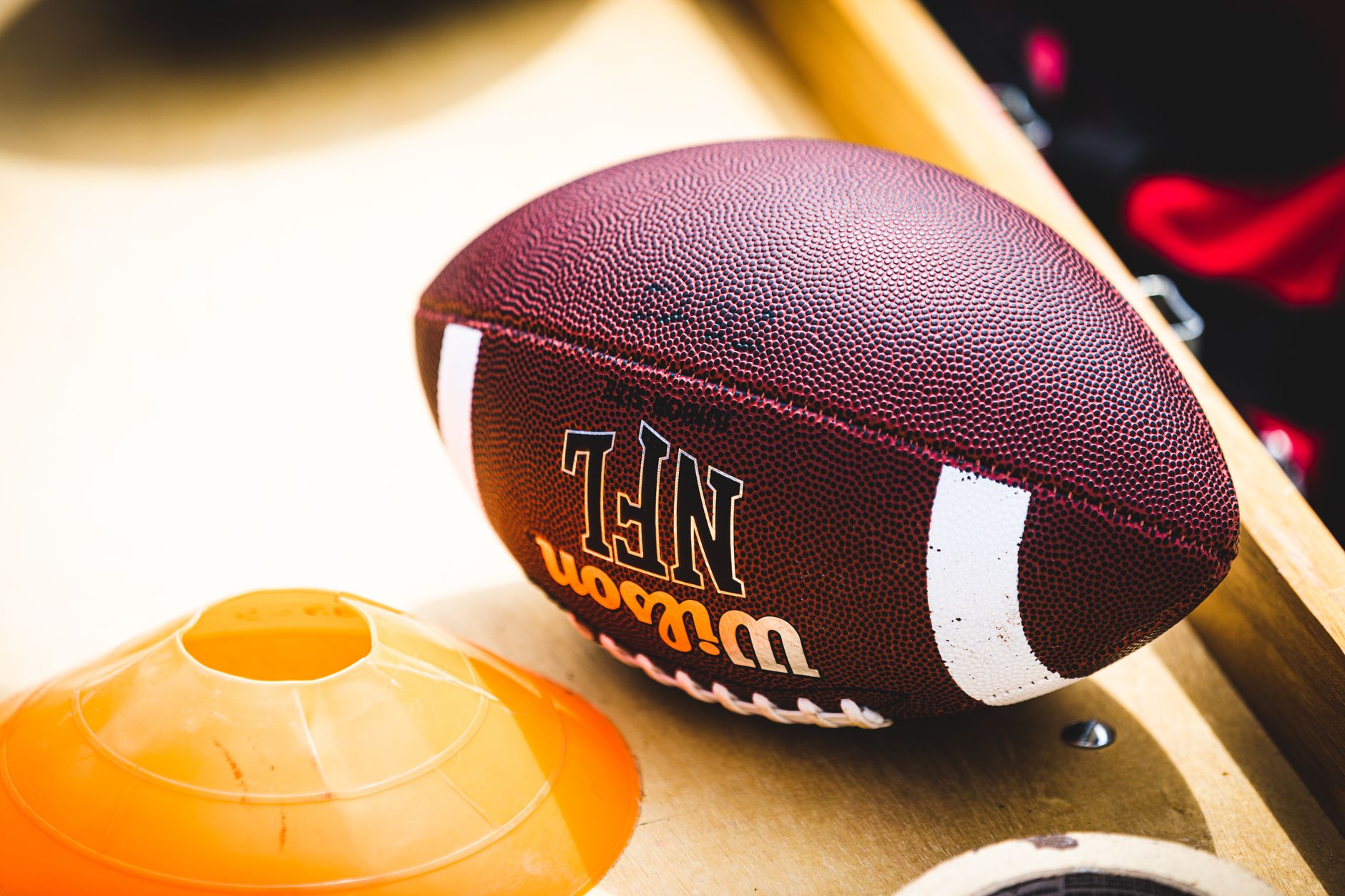
Few promotional products command as much attention — or generate as much genuine excitement — as a custom football ball. Whether it’s being kicked around at a community fun day in Brisbane, displayed as a centrepiece at a corporate awards night in Melbourne, or handed out at a sporting club’s season launch in Perth, a branded football ball is one of those rare promotional items that people actually want to keep. It bridges the gap between functional sports equipment and memorable branded merchandise, making it a compelling choice for Australian businesses, marketing teams, and sporting clubs of all sizes.
If you’ve been considering ordering custom football balls but aren’t sure where to start — what decoration methods to use, how many to order, what it might cost, or how to make the most of them — this guide covers everything you need to know.
Why Custom Football Balls Make Excellent Promotional Products
Australia has an enormous appetite for football in all its codes — AFL, rugby league, rugby union, and soccer all command huge followings from Darwin to Hobart. That cultural connection means a well-branded football isn’t just a promotional product; it’s a conversation piece that taps into something people genuinely care about.
From a marketing perspective, the appeal is multifaceted. First, footballs are durable. Unlike a pen or a tote bag that might wear out or get lost in a drawer, a quality football can last for years with regular use. Every time someone picks it up — at training, at the park, at a family barbecue — your brand gets another impression. Second, they have high perceived value. Giving someone a branded football signals that your organisation is willing to invest in quality, which reflects positively on your brand overall.
For sporting clubs, custom footballs serve a functional purpose beyond branding. They’re used for training sessions, given as end-of-season awards, sold through club merchandise stores, or presented to sponsors as part of partnership packages. A Gold Coast rugby club ordering 50 custom balls to give to their major sponsors is making a statement that goes well beyond a standard promotional pen.
That said, custom footballs aren’t just for sports-focused organisations. Corporate gift strategies have increasingly turned to premium, tactile items that stand out, and a branded football fits perfectly into that category — particularly for businesses that work in sport, health, events, or sponsorship.
Understanding Decoration Methods for Custom Football Balls
Not all decoration methods are suited to every type of football, so it’s worth understanding your options before placing an order.
Pad Printing
Pad printing is one of the most common methods used on footballs. It works by transferring ink from a flat plate onto a curved surface using a soft silicone pad — which makes it ideal for the contoured shape of a ball. This method is well suited to logos, text, and simple graphics. Colour accuracy is generally very good, and it’s cost-effective for medium to large runs.
Digital Printing and Full-Wrap Sublimation
For maximum impact, full-wrap sublimation printing allows you to cover the entire surface of a football with vibrant, full-colour graphics. This is particularly popular for AFL-style footballs and soccer balls, where the entire ball can become a branded canvas. If your design is intricate, involves photographic elements, or uses gradient colours, sublimation is likely your best option. You might also find this technique valuable if you’re exploring sublimation on custom polo shirts and other apparel — the principles of colour accuracy and design preparation are similar.
Laser Engraving
Some premium leather and synthetic leather footballs can be engraved with a logo or short text. Laser engraving produces a clean, high-end finish and is particularly well suited to presentation balls — the kind displayed in a case or given as a corporate gift or award. The result looks polished and professional, similar to the craftsmanship you’d expect from personalised wine glasses or premium glassware.
Screen Printing
Screen printing can be applied to some ball types, particularly foam or rubber training balls. It works best with one or two spot colours and simple designs. It’s a cost-effective option for large volumes where budget is a primary consideration.
Choosing the Right Type of Football Ball for Your Purpose
Before settling on decoration, you need to decide what type of ball suits your goals.
Presentation or display balls are designed to look impressive rather than be played with. They’re often used as corporate awards, sponsor gifts, or exhibition pieces. These are usually made from full-grain or synthetic leather and can be engraved or pad printed.
Training or practice balls are functional, durable, and made for repeated use. These suit sporting clubs ordering in bulk for day-to-day training. They’re typically made from synthetic rubber or PVC and are well suited to pad printing.
Promotional foam or mini balls are lightweight, inexpensive, and ideal for events, giveaways, and trade show activations. They have a much lower price point and minimum order quantity (MOQ), making them accessible for smaller budgets. A Sydney marketing team running a product launch event might order 200 mini branded AFL balls to toss into the crowd — a high-energy, memorable giveaway.
Full-size match balls sit at the premium end and are appropriate when you want your branded item to genuinely perform at a high level. These are popular for club presentations, major sponsorships, and high-value corporate gift packages.
Budgeting and Minimum Order Quantities
Budget is always a practical consideration, and custom footballs span a wide range of price points depending on ball type, decoration method, and order volume.
Mini foam promotional balls can start from as little as $5–$10 per unit in quantities of 50 or more. Full-size training balls with pad printing typically range from $25–$60 each depending on quality and quantity. Premium presentation balls with engraving or full sublimation can range from $80–$200 per unit or more.
MOQs vary considerably by supplier and product type. Mini balls often have MOQs of 50–100 units. Full-size decorated balls may have MOQs as low as 12–25 units, particularly for pad printing or engraving.
It’s also worth factoring in setup fees, which typically apply per colour or per decoration element. For single-colour pad printing, setup fees might be $50–$80 per colour. Full sublimation jobs typically have a flat artwork setup fee. Always ask your supplier to provide a complete quote that includes setup, decoration, and freight.
Planning ahead is essential. If you’re ordering for a specific event, understanding when to order promotional products for maximum lead time can save you considerable stress. Custom footballs — particularly sublimated or engraved balls — typically require 3–6 weeks from artwork approval to delivery, so building in buffer time is always wise.
Pairing Custom Football Balls with Complementary Merchandise
A custom football ball on its own makes a strong impression, but combining it with other branded merchandise creates a cohesive experience that’s even more memorable.
For sporting clubs, consider pairing custom balls with branded sport drink bottles or a stainless steel drink bottle as part of a welcome kit for new members or a sponsor appreciation package. Branded apparel like custom work shirts or customisable varsity jackets add depth to a club merchandise range.
For corporate clients, a branded football ball tucked inside a quality bag alongside a branded personalised tote bag, a travel mug, and a USB charger creates a premium gift hamper that feels thoughtful and brand-consistent.
Marketing teams planning for conferences or expos might combine a custom football with event essentials like branded promotional pens, USB promotional products, or a sticky note holder to round out a branded bundle.
If sustainability is a priority for your brand, consider sourcing footballs made from recycled or sustainably sourced materials. This aligns naturally with eco-friendly and sustainable promotional items that resonate with environmentally conscious audiences.
Working with Your Artwork: Key Preparation Tips
Getting your artwork right before you submit it to a supplier saves time, cost, and frustration. Here are the most important things to prepare:
- Provide vector files (AI, EPS, or PDF) wherever possible. These scale without quality loss and are required for most decoration methods.
- Match your brand colours to PMS (Pantone Matching System) references if colour accuracy is critical. Pad printing in particular benefits from PMS specifications.
- Account for the curved surface — what looks balanced in flat artwork may need adjustment when applied to a curved ball. Ask your supplier for a mockup before approving.
- Keep text legible — fine text below 6pt can become difficult to read once applied to a ball surface. Bold, clean logos tend to work best.
- Check artwork clearance zones — most ball types have seams, panels, or valve areas that restrict where decoration can be placed. Your supplier should provide a template.
It’s also worth understanding that different decoration methods handle artwork differently. Sublimation can handle full photographic images; pad printing works best with clean, defined shapes. If you’re unsure, ask for a digital proof or physical sample before committing to a full production run.
Custom Football Balls for Small Businesses and Resellers
Custom footballs aren’t only within reach for large organisations. Small businesses across Australia — from local gyms to suburban real estate agencies to boutique sporting retailers — are incorporating branded footballs into their marketing strategies. The key is choosing the right ball type and quantity for your budget.
For small businesses looking to stretch their promotional budget across multiple product types, our guide to small business promotional items offers practical advice on prioritising spend. Resellers and white label buyers may also find value in exploring white label promotional products for reseller businesses to understand how to build margin into branded merchandise orders.
Conclusion: Key Takeaways on Ordering Custom Football Balls
A custom football ball is one of the most versatile and high-impact promotional products available to Australian businesses, sporting clubs, and marketing teams. Done well, it leaves a lasting impression that far outlives the event or campaign it was created for.
Here are the key things to keep in mind:
- Match the ball type to your purpose — mini foam balls for events and giveaways, training balls for clubs, premium presentation balls for awards and corporate gifts.
- Choose your decoration method based on design complexity — pad printing for simple logos, sublimation for full-colour wraps, engraving for premium presentation pieces.
- Plan your timeline carefully — allow 3–6 weeks for decorated footballs to avoid rushing production, especially around peak periods like football season launches or major events.
- Budget for setup fees and freight in addition to the unit cost — these can add meaningfully to the total for smaller runs.
- Bundle with complementary merchandise to create cohesive kits and gift packages that amplify your brand message.
Whether you’re a Melbourne sporting club, a Brisbane corporate team, or a Perth marketing manager pulling together a sponsorship activation, a well-executed custom football ball is an investment in brand impressions that keeps on giving.